A trendy leisure activity is not defined by its popularity on social media. It is recognized by its ability to combine a physical or creative dimension with a format that steps outside the usual domestic framework. Since the early 2020s, leisure activities have been structured around dedicated venues, often covered, that blend sport, storytelling, and sensory experience. This shift changes how both adults and children spend their free time.
Immersive indoor leisure: the segment reshaping the offering
Indoor amusement parks no longer serve solely as a fallback solution when the weather deteriorates. According to Bpifrance, immersive indoor leisure has become a structuring segment for entrepreneurs, with business models based on subscriptions, gamification, and multi-activity experiences.
Giant trampolines, timed obstacle courses, virtual reality zones: these spaces bring together activities that, a few years ago, each required a distinct venue. The result is a hybrid offering where a single visit can last several hours without becoming tiresome.
What distinguishes these concepts from traditional amusement parks is the storytelling borrowed from television shows. Buzzattack, opened in Lille, offers physical challenges and team games inspired by Fort Boyard or Intervilles, all set in immersive decor. The activity becomes a participatory show, not just a physical exercise.
To explore other avenues in this vein, leisure activities to explore on Scoopzilla cover a wide range of these new experiences, from escape games to creative workshops and adventure courses.
Creative workshops for adults: beyond a simple hobby
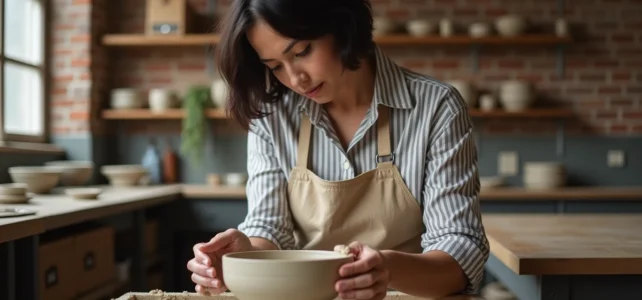
Creative workshops aimed at adults are multiplying in city centers. Pottery, ceramics, bookbinding, watercolor, candle making: the list grows longer each season. The appeal does not come from the novelty of the techniques (most have existed for centuries), but from the format offered.
A session usually lasts between one and three hours. The participant leaves with a finished object. No weekly classes over several months, no materials to buy. This single-session format removes the main barrier to entry: long-term commitment.
The other factor for success lies in the social context. A creative workshop replaces a restaurant outing or a classic after-work. Groups of friends, couples, colleagues book a session as they would reserve a table. The manual dimension adds a component that purely social activities do not offer: you produce something tangible.
Unusual outdoor activities: walk, adventure, and life-sized games
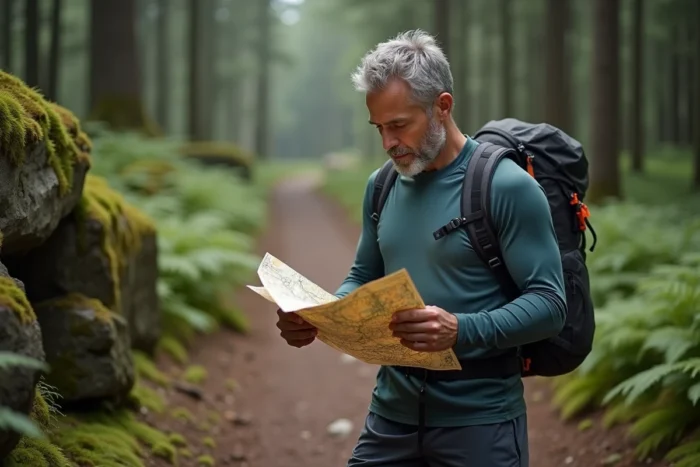
On the outdoor activities side, the most pronounced trend concerns scripted formats in open air. Urban treasure hunts and outdoor murder parties transform a simple walk in the city into a narrative adventure. Paris, Lyon, Bordeaux: most major French cities now have several specialized organizers.
The principle relies on a mobile app or a clue booklet that guides participants through a neighborhood. Each step combines cultural visits and puzzle-solving. The museum or monument becomes a game backdrop, not just a contemplative stop.
- Photography rallies require capturing precise architectural details within a limited time, combining walking and visual challenge.
- Outdoor escape games use urban furniture as puzzle supports, making each course unique to its city.
- Thematic orienteering races add a narrative layer (police investigation, historical treasure hunt) to a physical exercise accessible to all levels.
These formats are appealing because they overlay physical activity, intellectual stimulation, and discovery of a place. A person who would never have visited a neighborhood on foot spends two hours there without realizing it.
Hybrid sport-dining experiences: the new suburban playground
A recent concept further blurs the boundaries between leisure and dining out. Barena, near Bordeaux, illustrates this trend: a space that is not a golf course, not a restaurant, not a bar, but all three at once. The playground serves as a social pretext, while dining extends the experience.
This hybrid model meets a specific demand. Many adults seek a complete outing within a two to four-hour window, without having to hop between multiple locations. One single space, one reservation, a light physical activity followed by a convivial moment at the table.
The formula also works for families. Children play while adults enjoy a dining area with a view of the field. The logistical feat of these venues is to simultaneously satisfy very different profiles: occasional athletes, food lovers, parents looking for a compromise.
Choosing a trendy leisure activity: the criteria that really matter
The abundance of new activities can be overwhelming. Three criteria effectively filter the options.
- The minimum commitment duration: a leisure activity that requires an annual subscription or the purchase of expensive equipment hinders discovery. Single-session formats or prepaid cards facilitate testing.
- Geographical proximity: a fantastic activity an hour’s drive away will only be done once. Prioritizing offers accessible in under thirty minutes increases regularity.
- The social dosage: some people seek a solitary activity (photography, solo orienteering), while others want a collective setting (workshop, team game). Identifying this need before choosing avoids quick dropouts.
The leisure market is transforming towards short, scripted experiences that are accessible without technical prerequisites. Whether the playground is a warehouse converted into an immersive park, a ceramics workshop in the city center, or a puzzle course in the streets of Paris, the common thread remains the same: to provide a clear break from daily life in a format compatible with a busy schedule.