The autumn-winter 2026-2027 shows marked a clear shift: structured silhouettes, dark palettes, and noble materials are taking precedence over the casual wardrobe that has dominated for several seasons. This repositioning towards a tailored elegance redefines the codes of modern style for the months to come.
Tweed and structured materials: the textile pivot of the season
Tweed is no longer confined to classic wardrobes. According to data from the Tagwalk platform relayed by Vogue France, the presence of this material on the autumn-winter 2026-2027 runways surged by 491% compared to previous seasons. This figure reflects a fundamental movement, not just a nostalgic nod.
Designers are showcasing tweed in fitted suits, pencil skirts, and long coats. The material adds depth to clean cuts without resorting to flashy prints. Paired with mineral colors (stone gray, chocolate brown, deep burgundy), tweed anchors silhouettes in a sober elegance that can also be found at Eva Mode, where textile pieces emphasize fabric quality over an accumulation of details.
This rise of textured materials also applies to corduroy and thick wools. The common thread: fabrics that hold their shape and structure the silhouette without excessive rigidity.
Autumn-winter 2026 palette: dark and mineral tones rather than bright colors
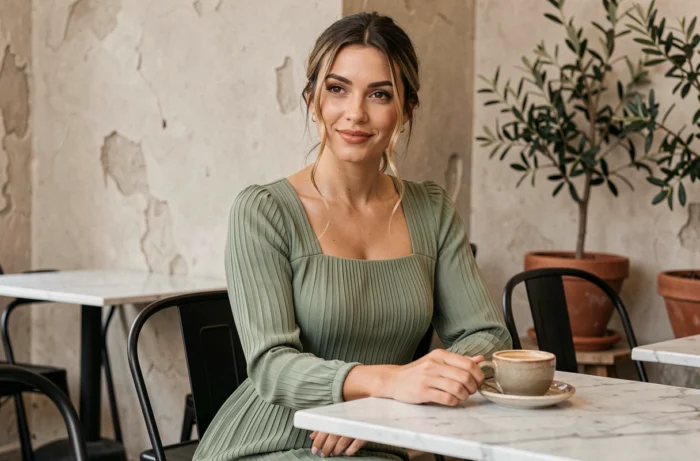
Several runway analyses converge on one observation: the season’s palette refocuses on deep tones. Burgundy, midnight blue, stone gray, and chocolate browns make up the bulk of the color spectrum. This choice breaks away from the pastels and saturated shades that characterized the spring-summer collections.
This colorimetric shift aligns with a return to an aesthetic described as aristocratic by some observers. Color no longer serves as a raw visual hook. It accompanies the cut and the material to produce a coherent overall effect.
Combining these shades without falling into monochrome
The trap of such a narrowed palette is uniformity. A few principles can help avoid a block effect:
- Play with textures rather than color contrasts, for example, pairing matte wool trousers with a top in a similar tone
- Introduce an accessory in a slightly offbeat shade (a cognac bag with a midnight blue outfit) to create a discreet focal point
- Reserve black for structuring pieces (jacket, coat) and use browns or burgundies for the rest, avoiding an overly austere silhouette
Defined waist and structured cuts: the end of the athleisure cycle
Since the post-pandemic period, maximum comfort dictated cuts: oversized, elastic, draping lines. The autumn-winter 2026-2027 season reverses this trend. Silhouettes are returning to a strongly defined waist and sculpted shoulders.
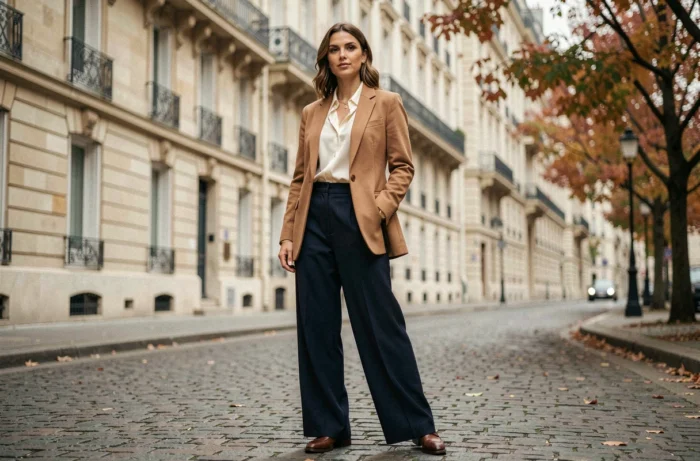
The suit, in particular, is making a notable comeback. Madame Figaro notes a movement towards softer, more fluid tailoring, reclaiming the office without reproducing the rigidity of 1980s suits. Fitted jackets are worn with straight or slightly flared trousers, in fabrics that allow for movement.
Adapting structure to your body type
A structured cut does not mean a one-size-fits-all pattern. The trend allows for flexibility:
- Blazers with slightly reinforced shoulders suit silhouettes looking to broaden the upper body
- Pencil skirts in tweed or wool, worn below the knee, elongate the silhouette without constraining movement
- Thin belts on long coats allow for waist definition without altering the garment’s cut
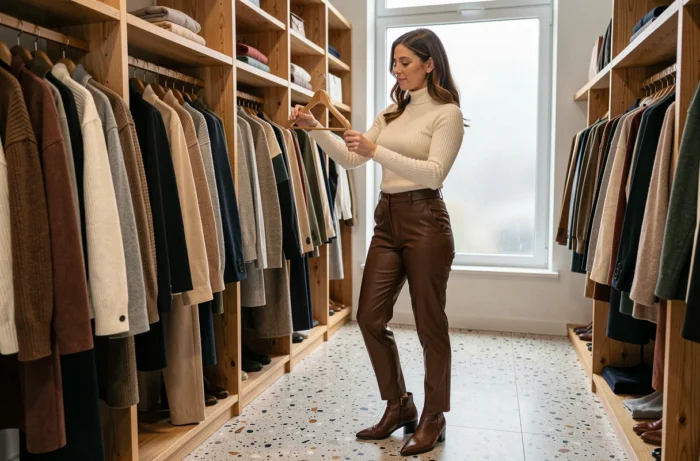
Women’s fashion trend 2026: what the runways don’t say about the sustainability of these styles
The described trends rely on quality pieces: tweed, wool, crafted cuts. This positioning implies a budget higher than that of a fast-fashion wardrobe. The longevity of these pieces justifies the investment, provided one chooses materials that age well.
Field feedback diverges on one point: the ability of these structured cuts to integrate into a daily life that remains, for many, marked by the need for comfort and versatility. A tweed suit worn at the office does not serve the same function as a casual outfit for the weekend.
The concrete question is one of dosage. Integrating one or two structured pieces (a fitted blazer, a pencil skirt) into an existing wardrobe produces an immediate effect on the overall look, without requiring a complete wardrobe overhaul.
The shift towards noble materials and tailored cuts marks a clear break from previous seasons. Runway data confirms the extent of the movement, particularly regarding tweed. It remains to be seen whether this structured aesthetic will establish itself permanently or if it constitutes a temporary swing after several years of relaxed wardrobes.