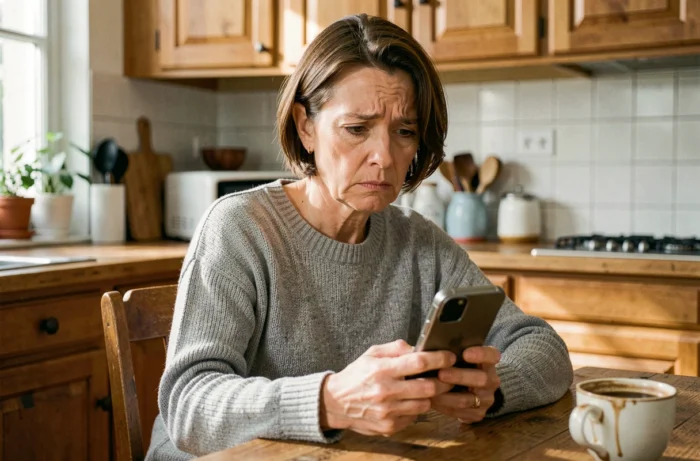
When an incoming call displays a prefix +31 or 0031, the first question is simple: is it a legitimate caller based in the Netherlands, or a scam attempt? The prefix 0031 corresponds to the Dutch telephone code, but it is massively hijacked by fraudulent networks that exploit spoofing techniques to mask their true location. Distinguishing an authentic call from a scam relies on a few verifiable criteria, recently reinforced by a stricter legal framework.
Spoofing and prefix 0031: why this prefix is faked
The majority of fraudulent calls in +31 do not originate from the Netherlands. Scammers use VoIP platforms that allow them to display any international code on the recipient’s screen. This technique, called number spoofing, makes the true origin of the call untraceable for the individual.
French operators are gradually deploying call authentication protocols to block unverified numbers. Despite these filters, a significant volume of spoofed calls still gets through, especially when the call is routed through foreign operators not subject to the same obligations.
A number starting with 0031 that contacts you without any identifiable professional or personal reason should be treated as suspicious by default, especially if you have no ties to the Netherlands.

Legitimate call or scam in 0031: table of distinctive signals
Not all calls in +31 are fraudulent. Dutch companies, international delivery services, or personal contacts may legitimately call from this prefix. The table below contrasts the characteristics of an authentic call with those of a scam attempt.
| Criterion | Legitimate call (+31) | Probable scam (+31) |
|---|---|---|
| Context | You are expecting a call from the Netherlands (order, professional contact) | No known connection to the Netherlands |
| Message content | Specific information related to an existing file | Vague job offer, financial gain, urgent request |
| Request for data | No request for bank details by phone | Request for bank account details, card number, validation code |
| Callback | The number answers if you call back | Number unreachable, generic voicemail, or premium rate |
| Written support | SMS or email confirmation with verifiable identity | SMS with shortened link, spelling mistakes, suspicious address |
If three or more criteria fall into the “probable scam” column, hang up without following up.
Task scam via +31: the most common scenario
The dominant scheme behind calls in 0031 is what is called task scam. The caller, often via a prior voicemail or SMS, offers a paid online activity: liking videos, rating products, completing small tasks for immediate payment.
The initial tasks are indeed paid, sometimes a few euros transferred quickly to establish trust. The mechanics then tighten: you are asked to advance money to “unlock” a better-paid task or access a higher tier. The invested amounts are never recovered.
This type of scam targets a broad profile, from students to retirees, betting on the appeal of easy supplementary income. Communications quickly shift to encrypted messaging (WhatsApp, Telegram) to escape any traceability.
Variants to watch out for
- Fake bank advisor: the caller claims to work for your bank, mentions your name, and alerts you about a suspicious transaction. They then ask for a code received via SMS to “secure” your account, which is actually used to validate a fraudulent transfer.
- Fake technical support: a person presents themselves as a Microsoft technician or a telecom operator and requests remote access to your computer to resolve a fictitious problem.
- Parcel scam: an SMS from a +31 number indicates a parcel awaiting delivery and directs you to a site mimicking La Poste or a carrier, where you are asked to pay non-existent customs fees.
Telemarketing from a 0031: what French law says
The legal framework has changed. Since August 2026, telemarketing without explicit consent is prohibited in France. A professional can no longer call an individual to sell a product or service without having obtained a clear positive act beforehand: unchecked checkbox, stated purpose, identity of the professional disclosed. This consent is valid for a maximum of one year.
A commercial call from a 0031 number, without prior opt-in from you, is therefore not only suspicious but legally illegal if it targets an individual residing in France. The penalties can reach 75,000 euros for an individual and 375,000 euros for a legal entity per illegal call.
However, a call in +31 remains perfectly normal if it comes from a contact you know or from a company with which you have placed an order. The distinction is clear: without a pre-existing commercial relationship and without traceable consent, the call falls outside the legal framework.
What to do after a suspicious call in 0031
Do not call the number back. If you answered, hang up as soon as a request for personal or financial data is made. Three concrete actions follow.
- Block the number directly from your phone. On most smartphones, the function is accessible from the call log.
- Report the call or SMS to 33700, the national platform for reporting voice and SMS spam. The report feeds the database used by operators to filter fraudulent numbers.
- If you have shared banking information, contact your bank immediately to block it and monitor your statements in the following weeks.
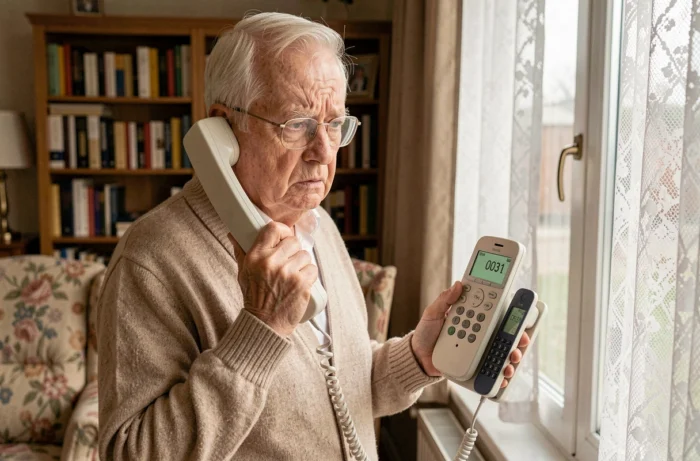
The prefix 0031 remains a legitimate geographic code. What transforms an innocuous call into a scam attempt is the combination of an unsolicited contact, a financial promise, and a request for sensitive data. Since the law requires explicit consent for any telemarketing, a commercial call in 0031 without prior opt-in constitutes in itself a sufficient warning signal.